

Natalia Acevedo is a photographer and founder of NPhotography, a studio dedicated to documenting life through emotion, memory, and visual storytelling. A key focus of her work is intentional storytelling around women’s empowerment and healing, which continues to shape both her creative and community-based practice.
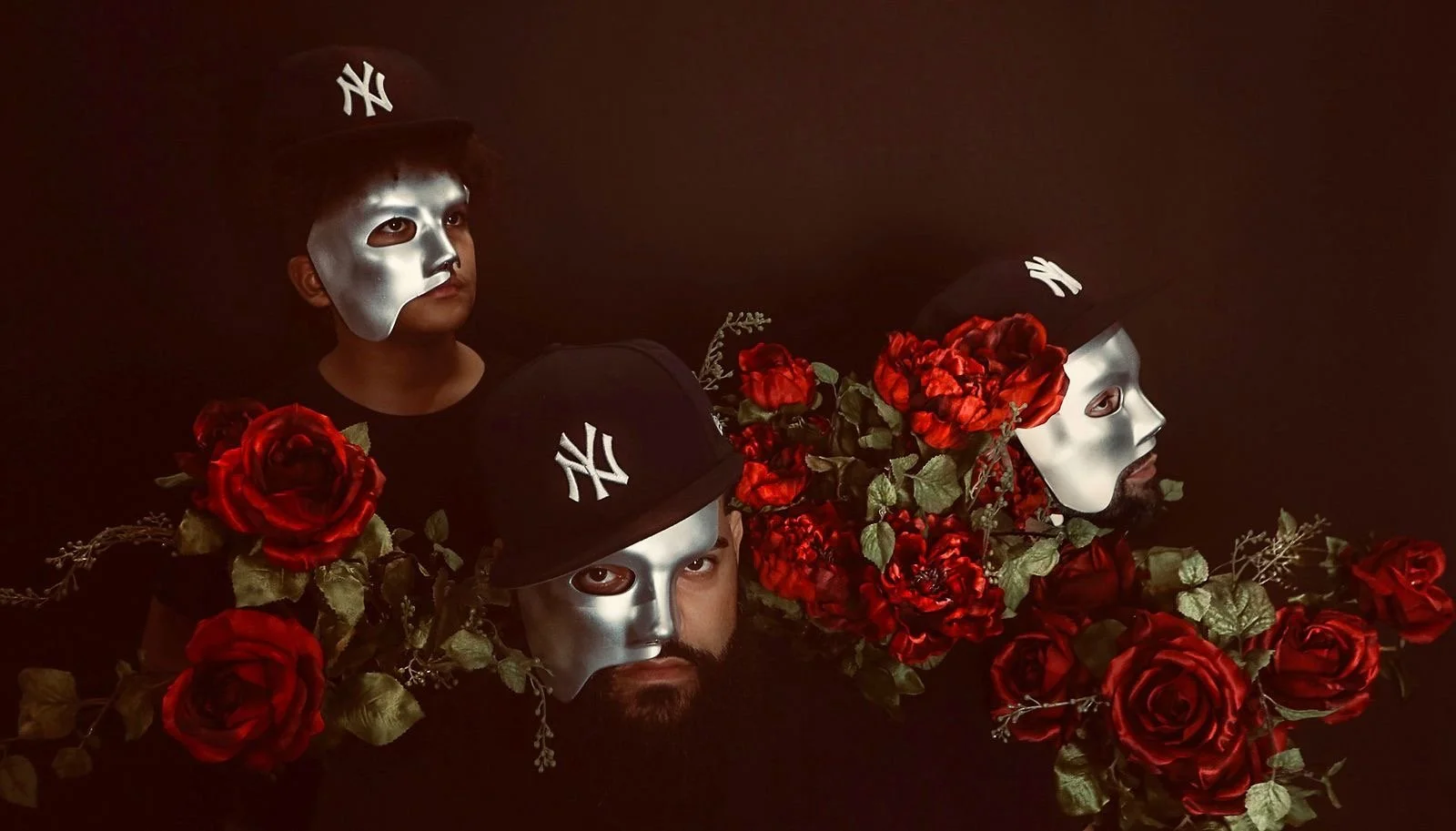
Her work moves between intimate portraiture and conceptual imagery, reflecting a versatility that extends into branding, interiors, and product photography. In 2022, she presented her first body of conceptual work, Un-Mask-HER, marking her debut into exhibition-based practice. The work was shown in Miami during Art Basel Miami Beach week, and featured as part of a couture collaboration with Jessica Abby, where her piece Mask-ulin found its first collector.
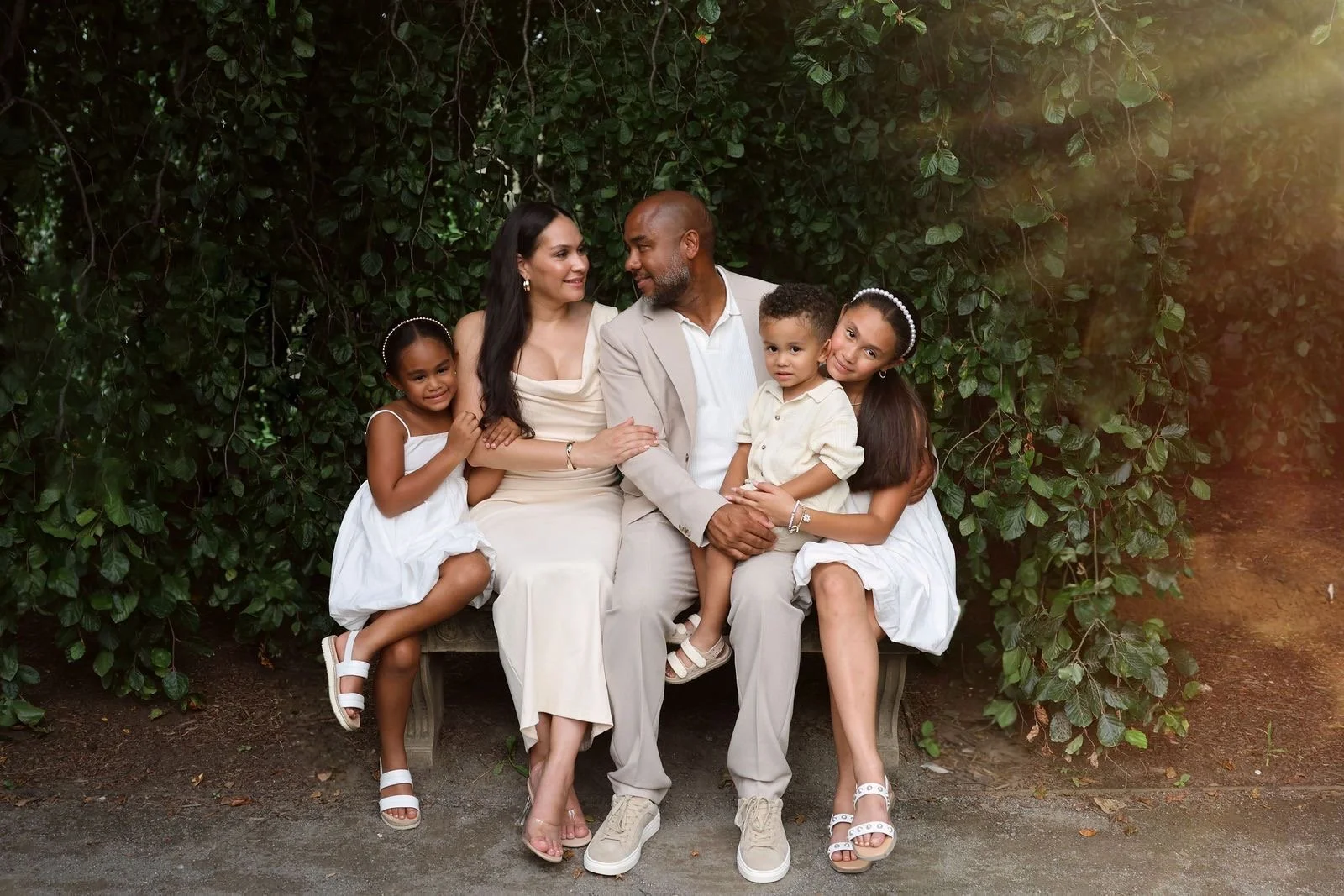
Alongside her conceptual work, Natalia continues to build a client-based photography studio spanning families, home design, products, and branding. She documents family life with a natural, unobtrusive approach, focusing on real interactions and the small details that tend to matter over time. Her work also extends into interiors and brand imagery, where she brings a strong sense of composition and consistency while maintaining a clear visual language.
Rather than separating personal and professional work, she sees photography as a continuum, where all images contribute to an evolving archive of people, spaces, and identity.
She is currently on a journey exploring photography as therapy: phototherapy as a tool for healing, collaborating with psychologists to create a space where photography can help people reconnect with who they once were and who they are becoming.
IG / Website:Instagram / Website
What City/State/Country do you currently reside in? Dumont, NJ
How do you define yourself as a photographer? Do you identify more with portrait, landscape, street photography, or another style? Why?
I would define myself as a documentary portrait photographer. While I focus on people, I’m less interested in posed images and more drawn to capturing real, in-between moments. My work is rooted in storytelling—preserving emotions, milestones, and everyday interactions in a way that feels honest and lasting. I see photography as a way to document life as it’s happening, so people can revisit those moments over time.
Can you nominate a Dominican woman photographer who does not reside in the Dominican Republic or someone you believe deserves more recognition for their work? Share their Name / IG
What inspired you to become a photographer, and how has your style evolved over time?
I was inspired to become a photographer through a very personal place, I started by capturing my son’s milestones and quickly realized how powerful it was to freeze moments that would never happen the same way again. That shifted my perspective from just taking pictures to preserving memories and emotion.
Over time, my style has evolved from more traditional, posed photography to a documentary approach. I now focus on capturing real, in-between moments, expressions, interactions, and energy that feel honest and lasting. That evolution came from understanding that the most meaningful images aren’t always planned, they’re felt.
How do you align your photography style as a member of the diaspora with your Dominican identity?
As a Dominican photographer in the diaspora, my work is deeply rooted in identity, memory, and connection. Being away from the island makes you more aware of what you carry with you: culture, language, energy (especially energy/ happiness) and I try to reflect that in how I capture people.
I’m drawn to warmth, movement, and emotion, which are all central to Dominican culture. At the same time, I’m documenting what it means to exist between two worlds, honoring where I come from while capturing how that identity evolves in everyday life here. My photography becomes a way to preserve that connection and tell those layered stories.
How do you use photography to tell stories, and what message do you hope to convey through your work?
I use photography to tell stories by paying attention to what often goes unnoticed, in between moments where emotion quietly reveals itself. It is in a glance, a pause, a touch, those are the moments that hold truth.
I do not approach photography as something to control, but something to witness. I allow people to exist as they are, and in that space, their story unfolds naturally.
The message behind my work is that life is happening in real time, and it deserves to be remembered. Photography, to me, is a form of time travel, a way to return to a feeling, a person, a version of ourselves that would otherwise be gone. It’s a tool of healing in the making.
As a Dominican woman in photography, what challenges have you faced, and how have you overcome them?
As a Dominican woman in photography, one of the challenges I’ve faced is translating something that feels so natural to me into spaces where it can feel unfamiliar. In our culture, we romanticize life, we lean into emotion, presence, and connection without hesitation.
But that way of seeing can sometimes be perceived as too close, too personal, even invasive to those who experience the world differently.
I’ve learned to move with both intention and awareness, holding on to that innate way of seeing while creating trust with the people I photograph. Over time, I’ve found that when people feel safe, they begin to understand that what I’m capturing is not intrusion, it’s care.
What advice would you give to the next generation of Dominican women photographers who dream of following this path?
My advice would be to follow the sound of your heart. It beats in real time, even as the moment is passing. Trust that instinct.
As Dominican women, we carry a deep sense of emotion, connection, and intuition. Don’t quit that to fit into someone else’s idea of what photography should be. Let it guide you.
“Capture what you feel, not just what you see, so that one day, your work becomes a map back to the moments that shaped you”
If you could capture the essence of being a Dominican photographer in a single image, what would it be and why?
If I could capture the essence of being a Dominican photographer in a single image, it would be a layered scene filled with life. There would be glitz and glamour alongside softness, flowers in bloom, the openness of the beach, men in linen, and children lost in play.
Women in their prime would be present, wearing bright lipstick, polished nails, and carefully groomed hair, carrying both strength and beauty with ease.
The air would feel alive, almost like you can hear music moving through it, with instruments nearby and a sense of dancing and joy woven into the moment. As photographers, we see everyone’s moment through a lens shaped by what we know, and we add color to the world people trust us to capture.
Because to me, being Dominican is about contrast and energy, beauty and movement, presence and celebration. It is not just what you see, it is what you feel all at once.
How do you think the Dominican women’s photography community can grow and support each other on an international level?
I think growth starts with visibility and access. Dominican women photographers across the diaspora are doing incredible work, but not all of it is seen or shared on a global level. Creating spaces where our work can be highlighted, whether through exhibitions, digital platforms, or collaborations, is key. (Like this lovely forum. Thank you Jennyfer!)
Support also comes from the community. Mentorship, sharing resources, and openly exchanging knowledge can help bridge gaps for the next generation.no gatekeeping!
On an international level, I believe it’s about connection, building relationships across countries, collaborating on projects, and supporting each other’s work so that our stories are not only preserved, but recognized globally. We have to do the footwork.
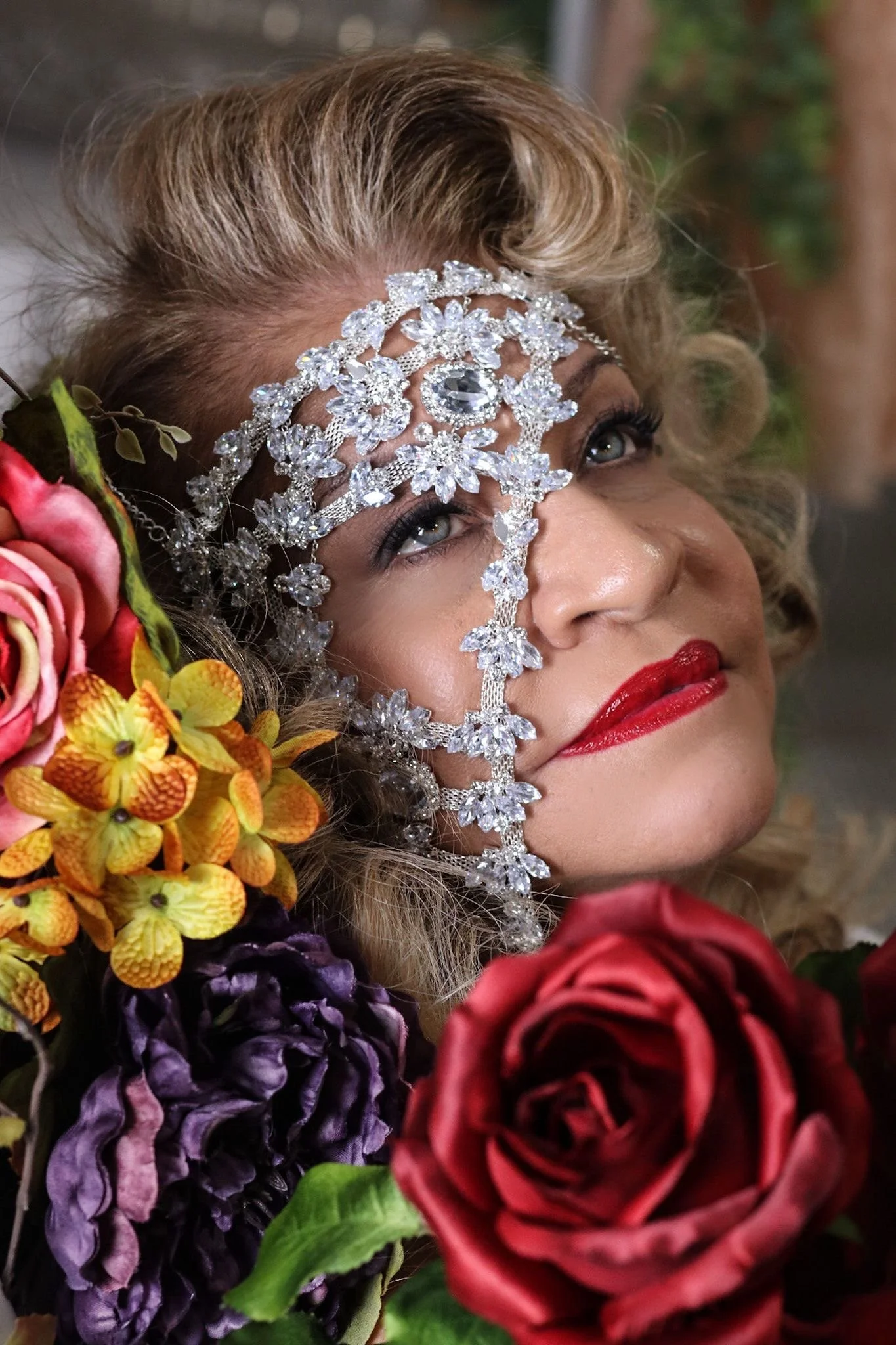
Natalia Acevedo
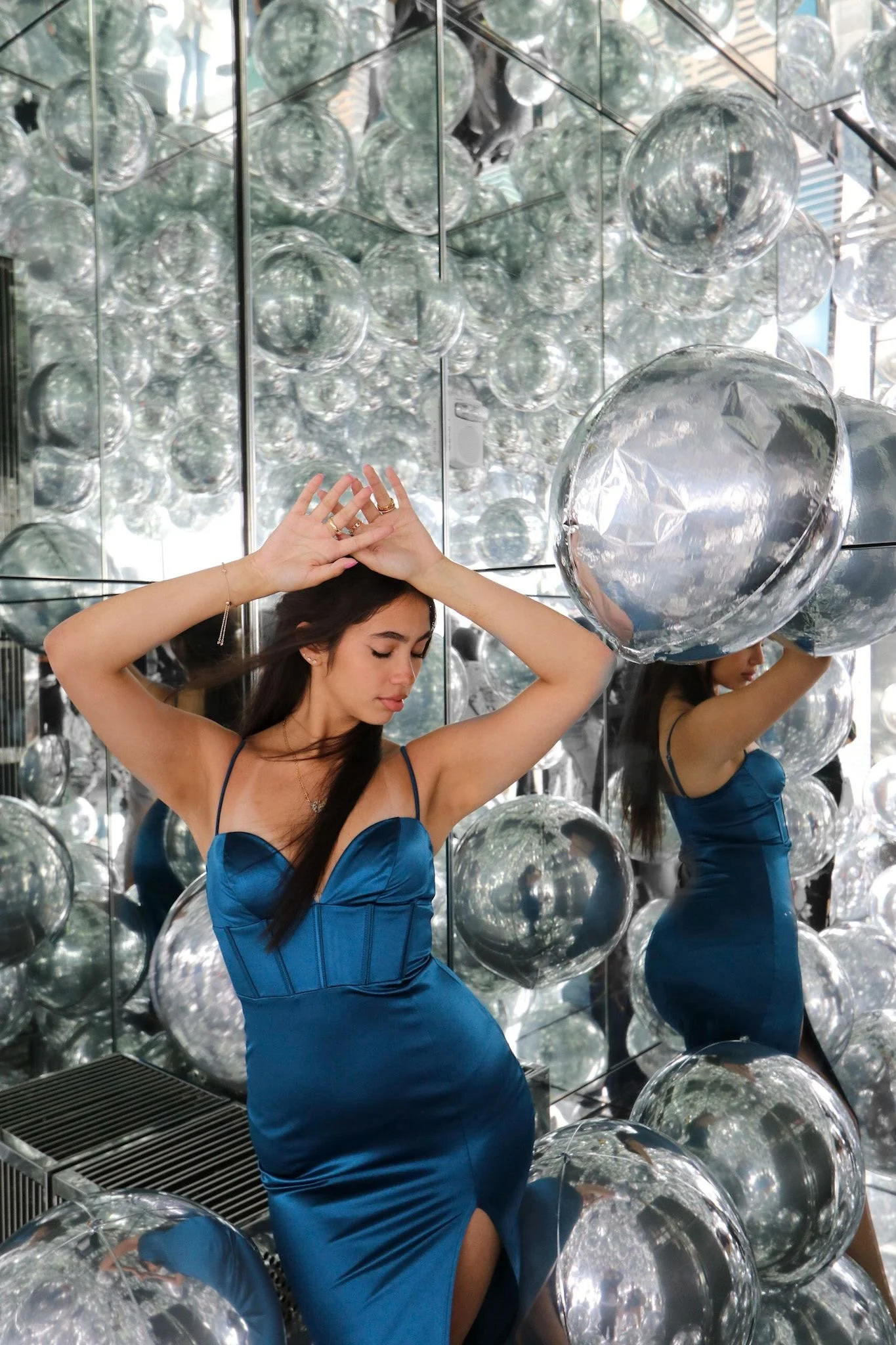
Natalia Acevedo
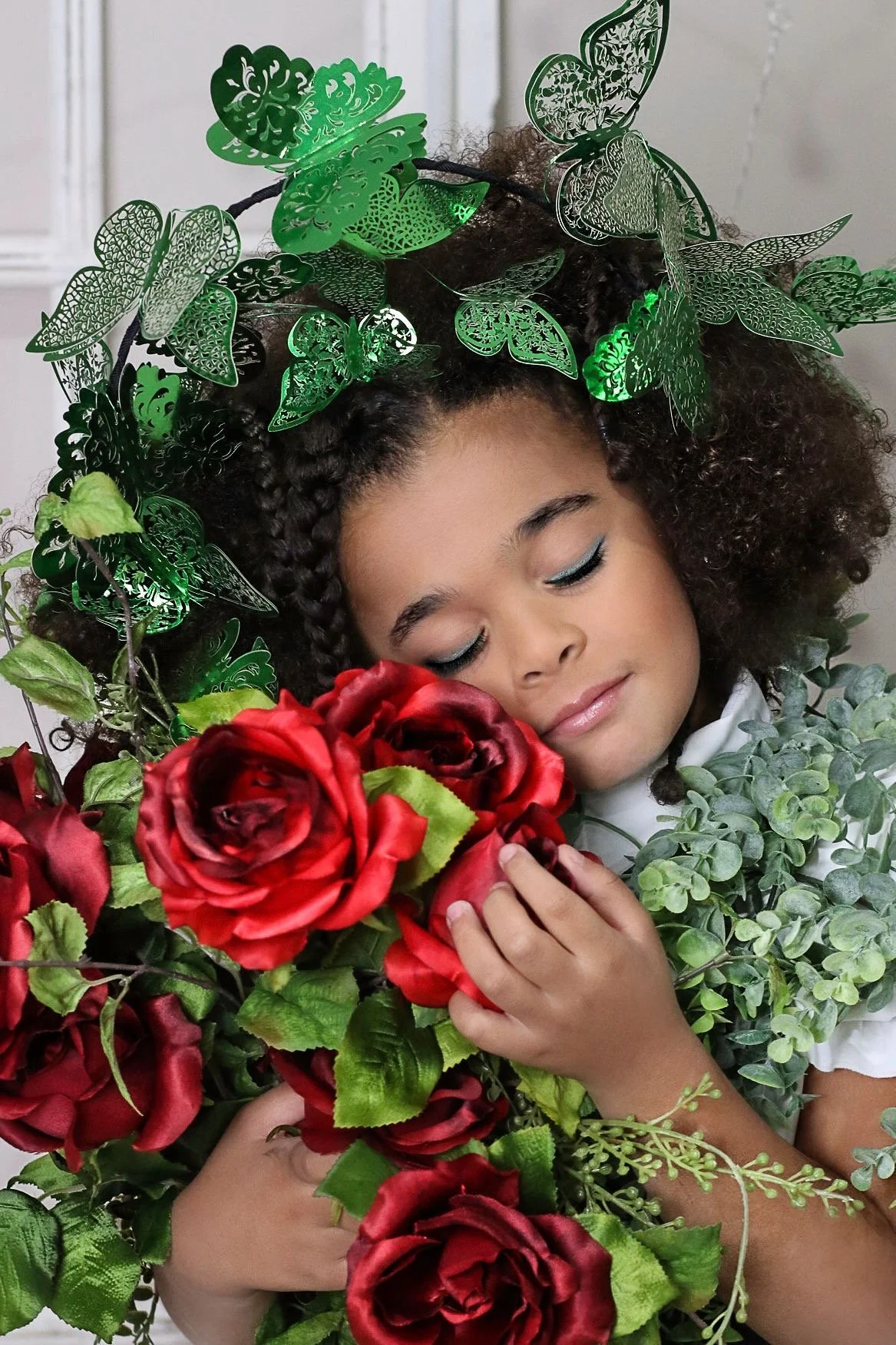
Natalia Acevedo
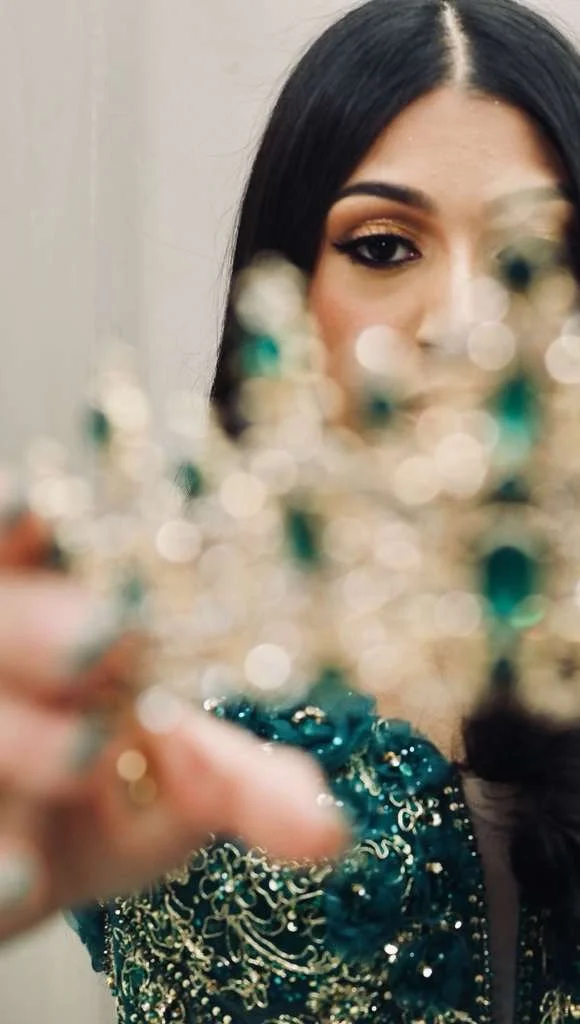
Natalia Acevedo
Natalia Acevedo
Natalia Acevedo